
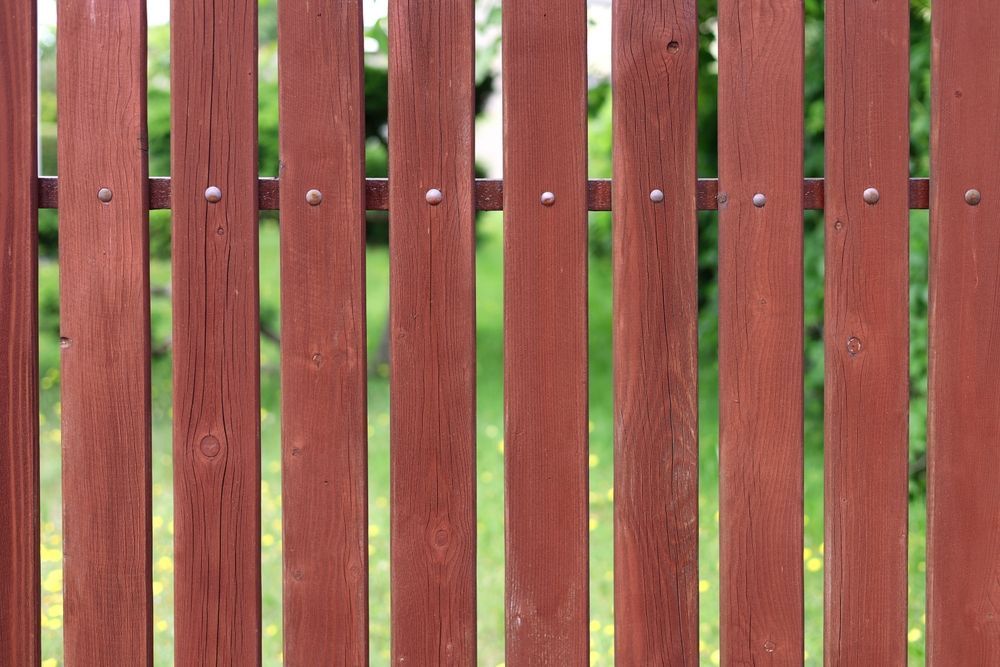
Fences Built to Handle Wind and UV
Fence Painting in Castle Rock for wood and composite surfaces facing seasonal moisture and sunlight
Wood fences absorb moisture during spring storms and winter snowmelt, then crack and peel when improper surface prep allows paint to fail within one to two years. George Meyer Paint paints fences across Castle Rock with a prep-first approach that includes surface assessment, sanding, caulking joints between boards, and spot priming before applying multi-coat paint systems from Benjamin Moore or Sherwin-Williams. Your fence needs this service when you notice peeling paint, exposed wood grain, or gaps between boards that allow water infiltration.
The process differs between wood and composite materials because composite fences require cleaning instead of sanding, but both demand caulking and priming at joints where moisture enters. Colorado wind, UV, and seasonal moisture attack fence finishes, which is why joint caulking separates ten-year fences from two-year fences regardless of paint quality.
Arrange an on-site consultation to review fence material and existing finish condition.
How Fence Painting Addresses Moisture Damage
Surface assessment identifies wood condition and existing finish quality before sanding begins, because painting over compromised wood or failing finishes produces peeling within one season. Sanding removes old paint and opens the wood surface so primer bonds to the substrate rather than sitting on top of dirt or loose material. Caulking gaps between boards and at joints prevents water from entering during storms, which is the step most painters skip despite it being critical in Castle Rock's climate where freeze-thaw cycles expand water inside wood and crack paint from beneath.
After the multi-coat paint system cures, your fence sheds water instead of absorbing it, which you notice when rain runs off the surface rather than darkening the wood. Joints remain sealed against wind-driven moisture, and the paint adheres uniformly without bubbling or peeling at board edges where water typically enters. The finish extends seven-plus years when prep work includes caulking and priming, compared to DIY attempts that fail in two years.
Composite fences receive different treatment because sanding damages the material, but cleaning and priming still apply before paint. Wood repairs are spot primed separately to match absorption rates with surrounding boards and prevent visible patches after the final coat.
Answers to Frequent Service Questions
Fence painting projects in Castle Rock raise questions about material differences, prep steps, and how climate affects finish longevity.
What is the difference between painting wood and composite fences?
Wood fences require sanding to open the grain for primer adhesion, while composite fences need only cleaning because sanding damages the material, but both require caulking at joints.
Why does caulking matter for fence painting?
Caulking seals gaps between boards and at joints where water enters during storms, preventing moisture from reaching the wood beneath the paint and causing rot or peeling.
How much does fence painting cost in Castle Rock?
Cost depends on fence height, linear footage, material type, and existing finish condition, with wood fences requiring more prep than composite but both needing joint caulking and priming.
When should I paint my fence?
Spring or fall provide moderate temperatures in Castle Rock that allow paint to cure without extreme heat causing fast drying or cold preventing proper adhesion.
What brands of paint work best for fences?
George Meyer Paint uses Benjamin Moore or Sherwin-Williams exterior paint formulated for UV resistance and moisture protection in high-altitude climates with freeze-thaw cycles.
Joint caulking and spot priming separate professional fence painting from shortcuts that fail in two years, and George Meyer Paint includes these steps in every project. Call (303) 570-9572 to discuss your fence material and current condition.