
Wood Protection Against Freeze-Thaw and Sun
Deck Painting in Castle Rock for outdoor structures facing extreme temperature swings, UV intensity, and seasonal moisture exposure
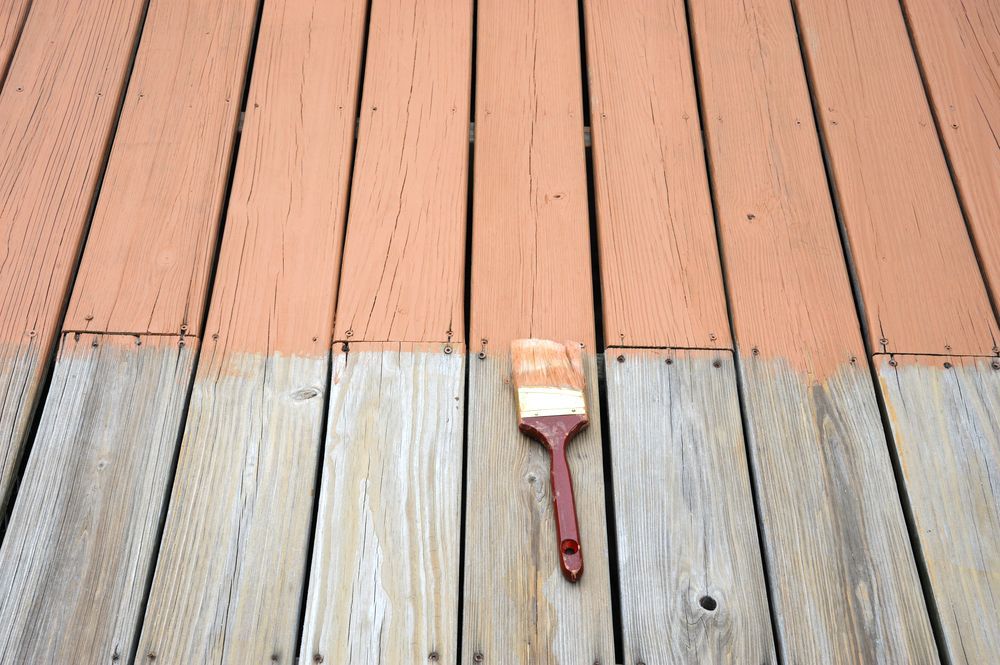
Decks absorb the full spectrum of Front Range weather—freeze-thaw cycles that crack improperly sealed wood, UV radiation that grays and splinters bare surfaces, and periodic moisture from snowmelt or summer storms that penetrates unprimed grain and triggers rot. George Meyer Paint treats deck painting as a substrate protection system rather than decorative coating, starting with surface assessment to identify where wood has weathered, which joints need caulking, and where previous finishes have failed. Proper primer on wood prevents the peeling and cracking that shows up within two years when contractors skip that step, and multi-coat paint application builds the film thickness that blocks moisture intrusion and UV penetration across every plank and rail.
The process begins by evaluating wood condition—checking for rot, splintering, or previous coating failure—and determining whether existing finish can be painted over or must be removed. All surfaces receive sanding to create tooth for the new finish, gaps and joints get caulked to block water entry, and spot priming seals bare wood or heavily weathered areas where paint would otherwise soak in unevenly. Deck-specific prep prevents the premature failure cycle where skipped priming allows moisture to lift the topcoat from below and UV degrades thin film within a single summer. Multiple coats are applied per estimate, using formulations designed for horizontal surface exposure and foot traffic abrasion.
Schedule a deck inspection to assess current wood condition and determine prep requirements before the next weather cycle.
What Separates Lasting Deck Finishes from Short-Lived Coatings
Deck paint failure follows predictable patterns—edges peel first where caulking was skipped, high-traffic areas wear through to bare wood where film thickness was inadequate, and entire sections blister when moisture trapped below the coating expands during freeze-thaw cycles. Proper prep interrupts those failure modes by sealing the substrate before topcoat is applied, creating a moisture barrier that prevents water from reaching the wood grain and a UV shield that stops photodegradation of the lignin that binds wood fibers together. Sanding removes loose material and creates surface texture that improves mechanical adhesion, and spot priming on bare wood ensures uniform topcoat absorption so film thickness remains consistent across the entire deck surface.
After the work is complete, deck surfaces show uniform color without thin spots or areas where wood grain telegraphs through the finish, joints remain sealed without gaps opening between planks, and the coating withstands foot traffic and furniture contact without immediate scuffing or wear. The real test arrives during the first winter when freeze-thaw cycles stress every sealed joint and UV-exposed surface—properly prepped decks maintain adhesion and flexibility, while shortcuts start peeling at edges and high-stress areas.
The estimate defines which surfaces require full sanding versus spot prep, whether existing coatings must be stripped or can be overcoated, and how many finish coats are needed based on wood condition and exposure. Some decks need only gap caulking and light sanding if previous finishes are intact, while heavily weathered structures require extensive substrate repair and full priming before paint application delivers lasting protection.
What Deck Owners Need to Know
Deck painting generates questions about wood condition, prep intensity, and how finishes perform under the UV and moisture exposure that Castle Rock outdoor structures face year-round.
What does surface assessment reveal about deck condition before painting?
Assessment identifies rotted or splintered wood that requires repair, areas where old finish is peeling or flaking and must be removed, and joints where gaps have opened and need caulking to prevent moisture intrusion beneath the new coating.
Why does bare wood require spot priming before topcoat application?
Bare wood is porous and absorbs paint unevenly, leaving thin spots with inadequate film thickness; spot priming seals the grain so topcoat doesn't soak in, ensuring consistent coverage and the moisture barrier that prevents peeling when water reaches the substrate.
How do Colorado freeze-thaw cycles damage deck finishes?
Water that enters through gaps or porous coating expands when it freezes, pushing paint away from the wood surface; proper caulking blocks entry points, and flexible topcoats move with the wood as it expands and contracts rather than cracking under thermal stress.
What's the difference between deck-specific paint and standard exterior coating?
Deck formulations contain higher concentrations of UV inhibitors and abrasion-resistant resins to handle horizontal surface exposure and foot traffic; they're designed to flex with wood movement and resist the constant moisture contact that vertical surfaces don't experience.
When should a deck be repainted to maintain protection?
Repainting intervals depend on initial prep quality and coating thickness; decks that received full sanding, priming, and multi-coat application typically last five to seven years in Castle Rock climate before showing wear, while shortcuts fail within two to three years and require more intensive prep during recoating.
George Meyer Paint has applied this prep-first deck methodology since 2011, treating outdoor structures with the same standards that built the company's residential and commercial reputation across Castle Rock, Parker, and Centennial. Contact the company to review your deck's current condition and prep scope before the next weather cycle begins.