
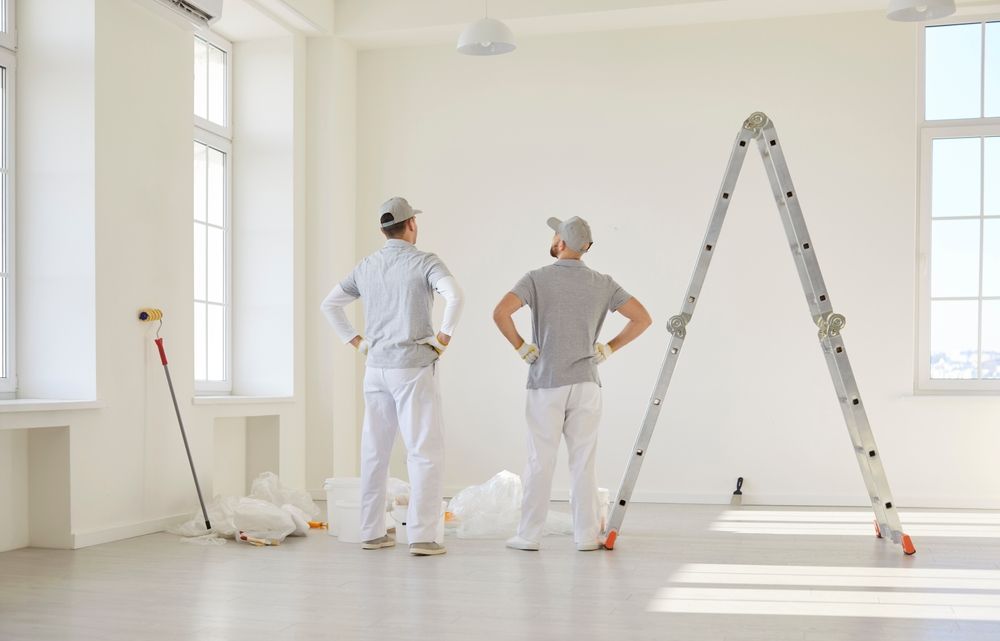
Finishes Scaled for High-Traffic Durability
Commercial Painting in Castle Rock for properties where downtime costs and finish longevity directly affect operations
Commercial interiors endure constant contact along hallways, entryways, and common areas, and exteriors face the same UV intensity and freeze-thaw exposure that residential properties experience but with higher visibility and stricter maintenance schedules. The prep-first discipline George Meyer Paint applies to residential projects scales directly to commercial work—surface assessment, caulking, sanding, spot priming—but adapted to larger surface areas, tighter timelines, and commercial-grade durability requirements. A typical contractor shortcut that might reduce residential finish life from ten years to two becomes a visible liability in a commercial setting where wear patterns show up within months and repainting disrupts business operations.
Commercial projects begin with the same surface assessment used on homes, but the scope expands to account for traffic patterns, operational constraints, and finish specifications that meet tenant or ownership standards. Caulking seals gaps in trim and joints, sanding levels uneven substrate, and spot priming ensures uniform topcoat absorption across patched or repaired areas. Scheduling is structured to minimize downtime—working during off-hours, phasing sections to keep areas operational, or coordinating with other trades when renovations involve multiple contractors. Premium paint brands deliver the scrub resistance and sheen retention that high-traffic commercial environments demand.
Schedule a site visit to review your property's surface condition, traffic exposure, and operational timeline.
What Commercial-Grade Prep Involves
Commercial painting separates itself from residential work through scale and durability demands rather than fundamentally different techniques—the same caulking, sanding, and priming steps apply, but surface areas are larger, finish specifications are stricter, and scheduling must account for business operations that can't pause for days at a time. Proper substrate prep prevents the early wear that shows up as scuffed baseboards, marred wall sections at door frames, and uneven sheen where foot traffic concentrates. Multi-coat application builds the film thickness that withstands repeated cleaning and contact without wearing through to primer or substrate.
After completion, commercial interiors show uniform color and sheen across large open areas without lap marks or uneven coverage, trim and door frames maintain clean lines under daily contact, and exterior surfaces resist fading and chalking through multiple seasons of UV exposure. The finish performs as a functional surface rather than just decorative coating, handling the abrasion and moisture exposure that comes with building use while maintaining the appearance tenants and visitors expect.
Project scope defines which areas receive full prep versus touch-up work, how many coats are applied to high-traffic versus low-traffic zones, and what scheduling approach minimizes disruption to your operations. Licensing and insurance coverage meet commercial property requirements, and crew training ensures consistent application standards across the entire team regardless of project size.
Answers to Commercial Painting Questions
Commercial property managers and owners focus on durability, scheduling flexibility, and how finishes hold up under actual building use rather than controlled conditions.
How does commercial prep differ from residential surface preparation?
The techniques remain the same—caulking, sanding, spot priming—but commercial projects involve larger contiguous surface areas, stricter finish specifications for sheen and color consistency, and coordination with building operations to minimize tenant disruption during application.
What makes premium paint necessary for high-traffic commercial interiors?
Premium formulations contain higher binder concentrations and more durable pigments, which resist scuffing, allow repeated cleaning without sheen loss, and maintain color uniformity under the abrasion that hallways and entryways experience daily.
How is scheduling managed to avoid operational downtime in Castle Rock commercial buildings?
Work is phased by section or floor, scheduled during off-hours or weekends, and coordinated with property management to keep critical areas accessible; large open areas may be completed in single shifts while occupied sections are painted incrementally.
What factors affect how long commercial exterior finishes last?
UV exposure at Colorado elevation, freeze-thaw cycles that stress caulked joints, and surface orientation all influence longevity; south- and west-facing walls degrade faster due to sun exposure, making proper priming and multi-coat systems critical for uniform weathering.
What documentation and compliance does commercial work require?
Projects include proof of liability insurance and licensing, material safety data sheets for all products applied, and scheduling documentation that confirms work was completed per agreed timelines and specifications.
George Meyer Paint has handled commercial projects across Castle Rock, Parker, and Centennial since 2011, applying the same prep standards to office buildings, retail spaces, and multi-unit properties that built the residential referral base. Contact the team to review your property's scope, surface condition, and scheduling requirements.